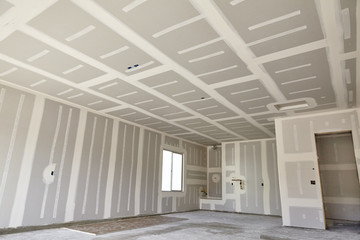
Drywall finishing is one of the most important yet often overlooked steps in creating polished and professional interior spaces. While drywall installation forms the structure of walls and ceilings, finishing is what transforms those surfaces into smooth, seamless backdrops ready for paint, texture, or decorative features. Without proper drywall finishing, even the best construction work can look incomplete.
Whether in a home renovation or a new build, drywall finishing plays a key role in both appearance and long-term durability. Understanding its value helps explain why this process deserves careful attention and skilled execution.
What Drywall Finishing Really Involves
Drywall finishing is the process of preparing drywall panels for final surfaces by sealing joints, covering fasteners, and smoothing imperfections. This typically involves applying joint compound, embedding tape, sanding surfaces, and repeating these steps until the wall or ceiling appears uniform.
The goal is to make seams, corners, and screw marks completely invisible. A well-finished drywall surface should look flat and continuous, with no visible lines or uneven areas once painted or textured.
This stage requires patience and precision. Each layer must dry properly before the next step begins, and careful sanding is needed to achieve a clean, professional result.
Why Drywall Finishing Is Essential for Interior Design
Drywall finishing directly impacts how a space looks and feels. Smooth walls create a clean, modern appearance and allow paint colors, lighting, and décor to shine. Poor finishing, on the other hand, becomes immediately noticeable once paint is applied, revealing ridges, seams, or surface flaws.
Well-finished drywall enhances visual consistency across rooms. It supports design elements such as accent walls, trim, and wall textures by providing an even foundation. Without proper finishing, these design features can appear uneven or unfinished.
In short, drywall finishing sets the stage for everything that comes after it.
The Role of Drywall Finishing in Long-Term Durability
Drywall finishing is not just about aesthetics. It also contributes to the durability and stability of interior surfaces. Properly sealed joints and corners help prevent cracking, chipping, and surface damage over time.
Temperature changes, humidity, and natural building movement can stress drywall joints. High-quality finishing techniques help reinforce these areas, reducing the likelihood of visible cracks and costly repairs.
By addressing potential weaknesses early, drywall finishing protects walls and ceilings from premature wear.
Different Levels of Drywall Finishing
Not all drywall finishing projects require the same level of detail. The finish level depends on how the surface will be used and what final treatments are planned. Basic finishes may be sufficient for utility areas, while living spaces typically require higher levels of refinement.
Higher-level finishes involve additional layers of joint compound and more precise sanding to create a nearly flawless surface. These finishes are ideal for areas with strong lighting or glossy paint, where imperfections are more visible.
Choosing the right level of drywall finishing ensures the final result matches the expectations for each space.
Common Drywall Finishing Techniques
Several techniques are used during drywall finishing to achieve smooth and durable surfaces. Taping joints correctly is one of the most critical steps, as it reinforces seams and prevents cracking. Joint compound is applied in thin, even layers to cover tape and fasteners.
Sanding between coats helps remove ridges and blend edges seamlessly. This step requires skill to avoid over-sanding, which can expose tape or damage the drywall surface.
Corner finishing is another important aspect. Inside and outside corners require special attention to maintain straight lines and consistent angles throughout the space.
Drywall Finishing and Lighting Considerations
Lighting plays a significant role in how drywall finishing appears. Natural light and directional lighting can highlight even minor surface imperfections. Proper finishing techniques take lighting conditions into account to ensure walls look smooth from every angle.
In areas with large windows or accent lighting, higher-quality finishing is especially important. Smooth surfaces help reflect light evenly, enhancing brightness and visual appeal.
Thoughtful drywall finishing contributes to a balanced and comfortable atmosphere within a room.
The Value of Professional Drywall Finishing
While some people attempt drywall finishing as a do-it-yourself project, professional results are difficult to achieve without experience. Drywall finishing requires an understanding of materials, timing, and technique that develops over time.
Professional drywall finishers work efficiently while maintaining consistent quality. They know how to handle complex areas such as vaulted ceilings, curved walls, and tight corners. Their expertise helps avoid common issues such as uneven seams, visible tape lines, or excessive sanding marks.
Investing in professional drywall finishing often saves time and prevents costly corrections later.
Preparing for Paint and Final Touches
One of the main goals of drywall finishing is to prepare surfaces for paint or other finishes. A properly finished wall allows paint to adhere evenly, resulting in consistent color and texture.
Poor finishing can cause paint to highlight flaws rather than hide them. Uneven surfaces may require additional coats of paint or touch-ups, increasing time and expense.
Smooth drywall finishing creates the ideal canvas for any design vision, from bold colors to subtle textures.
Drywall Finishing in Renovations and Repairs
Drywall finishing is especially important during renovations and repairs. Matching new drywall to existing surfaces requires careful blending to ensure a seamless appearance. Skilled finishing makes repairs virtually invisible once complete.
In renovation projects, drywall finishing often ties together old and new elements, creating a cohesive look throughout the space. Attention to detail during this stage ensures that updates feel intentional and polished.
Whether repairing small holes or reworking entire rooms, drywall finishing brings everything together.
Drywall finishing is a crucial step in creating smooth, durable, and visually appealing interiors. It transforms basic drywall panels into refined surfaces that support paint, lighting, and design features. While it may not be the most visible part of a project, its impact is undeniable.
By prioritizing quality drywall finishing, homeowners and builders ensure their spaces look professional and stand the test of time. From new construction to renovations, this essential process lays the foundation for interiors that feel complete, balanced, and beautifully finished.